
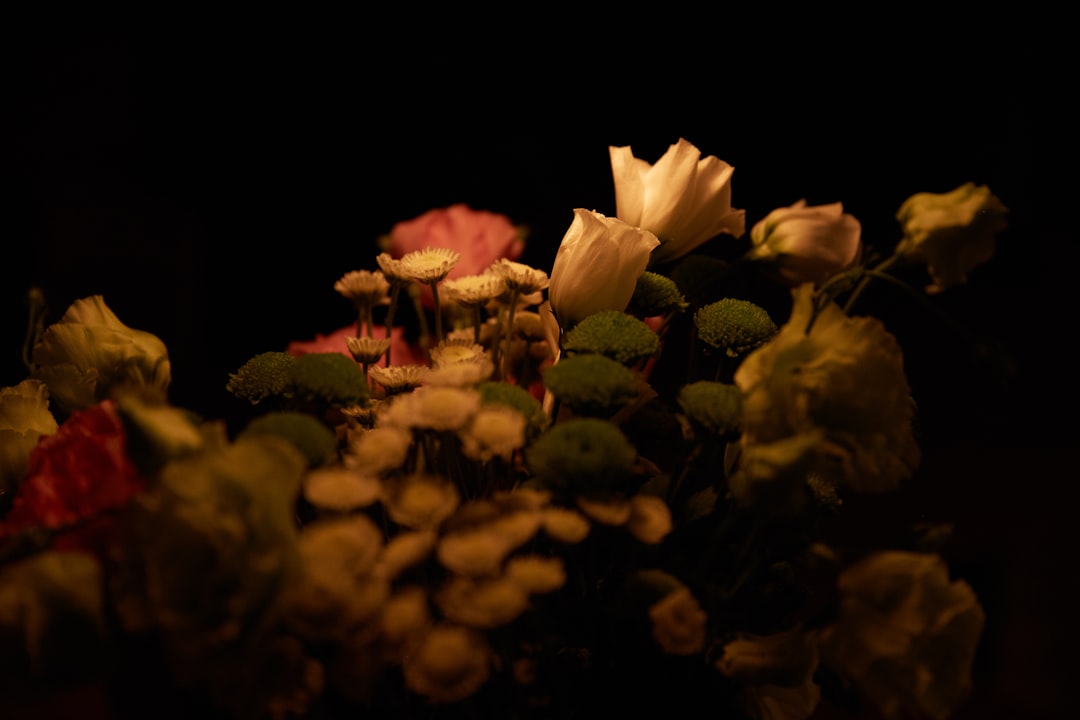
As the days grow shorter and the air turns crisp, it's time to embrace the beauty of fall gardening. Fall is a magical season for flower enthusiasts, offering a unique opportunity to transform your garden into a vibrant oasis of color. In this guide, we'll explore the art of planting fall - blooming flowers, focusing on perennials that will not only enhance your garden's aesthetic but also attract pollinators without triggering allergies.
### Choosing the Right Perennials for Fall
When it comes to fall gardening, selecting the right perennials is crucial. Perennials are plants that live for more than two years, and they come back year after year, saving you time and money. Some of the best fall - blooming perennials include:
- Chrysanthemums: These iconic fall flowers come in a wide range of colors, from bright yellows and oranges to deep purples and reds. They are easy to grow and can add a pop of color to any garden. Chrysanthemums prefer full sun and well - drained soil. You can plant them in containers or directly in the ground.
- Asters: Asters are another popular choice for fall gardens. They produce daisy - like flowers in shades of blue, purple, pink, and white. Asters are great for attracting butterflies and other pollinators. They thrive in full sun to partial shade and require regular watering.
- Goldenrod: Despite its reputation for causing allergies, goldenrod is actually a beautiful and beneficial fall flower. It has bright yellow flowers that attract bees and other pollinators. Goldenrod grows well in full sun and can tolerate a variety of soil types.
- Anemones: Anemones are elegant fall - blooming perennials with delicate flowers. They come in different colors, such as white, pink, and purple. Anemones prefer partial shade and moist, well - drained soil. They can be a great addition to a woodland garden or a shaded border.
### Preparing Your Garden for Fall Planting
Before you start planting your fall - blooming perennials, it's important to prepare your garden properly. Here are some steps to follow:
- Clear the Area: Remove any weeds, dead plants, or debris from the area where you plan to plant. This will give your new plants a clean and healthy environment to grow.
- Test the Soil: Fall is a good time to test your soil's pH and nutrient levels. You can purchase a soil testing kit at your local garden center. Based on the results, you can add the necessary amendments, such as lime to raise the pH or compost to improve the soil's fertility.
- Loosen the Soil: Use a garden fork or tiller to loosen the soil to a depth of about 8 - 10 inches. This will allow the roots of your plants to penetrate easily and access water and nutrients.
- Add Organic Matter: Incorporate organic matter, such as compost or well - rotted manure, into the soil. Organic matter helps improve the soil structure, retains moisture, and provides essential nutrients for your plants.
### Planting Your Fall Perennials
Once your garden is prepared, it's time to plant your fall - blooming perennials. Here's how:
- Dig the Holes: Dig holes that are slightly larger than the root balls of your plants. Make sure the holes are deep enough so that the top of the root ball is level with the soil surface.
- Place the Plants: Gently remove the plants from their containers and place them in the holes. Backfill the holes with soil, firming it gently around the plants.
- Water Thoroughly: After planting, water your perennials thoroughly to settle the soil and help the roots establish. Keep the soil moist but not waterlogged during the first few weeks after planting.
- Add Mulch: Apply a layer of mulch, such as shredded bark or straw, around the base of your plants. Mulch helps conserve moisture, suppress weeds, and insulate the soil during the colder months.
### Attracting Pollinators Without Aggravating Allergies
One of the joys of having a fall garden is attracting pollinators, such as bees, butterflies, and hummingbirds. However, if you suffer from allergies, you may be concerned about the potential for allergic reactions. Here are some tips to attract pollinators without aggravating your allergies:
- Choose Low - Allergen Plants: As mentioned earlier, some plants, like goldenrod, are often wrongly blamed for allergies. By choosing low - allergen perennials, you can still enjoy a pollinator - friendly garden without the risk of allergic reactions.
- Plant in the Right Location: Place your pollinator - attracting plants away from areas where you spend a lot of time, such as your patio or windows. This can help reduce your exposure to pollen.
- Keep Your Garden Clean: Regularly remove spent flowers and dead plant material from your garden. This will prevent the buildup of pollen and reduce the risk of allergic reactions.
- Provide Water Sources: Pollinators need water to survive. You can provide a shallow dish of water with some pebbles in it for bees and butterflies to land on. This will attract them to your garden without increasing your allergy risk.
### Caring for Your Fall Perennials
After planting your fall - blooming perennials, it's important to take good care of them to ensure their health and longevity. Here are some care tips:
- Watering: While fall is generally a wetter season, you may still need to water your perennials during dry spells. Water deeply and infrequently to encourage strong root growth.
- Fertilizing: Apply a slow - release fertilizer in the fall to provide your plants with the nutrients they need for the next growing season. Follow the instructions on the fertilizer package for the correct application rate.
- Pruning: After the first frost, you can cut back the dead foliage of your perennials. This will help prevent diseases and pests from overwintering in your garden.
- Protecting from Cold: In regions with harsh winters, you may need to protect your perennials from freezing temperatures. You can cover them with a layer of straw or burlap to insulate them.
In conclusion, fall gardening is a rewarding activity that allows you to enjoy the beauty of nature even as the weather cools down. By choosing the right perennials, preparing your garden properly, and taking good care of your plants, you can create a stunning fall garden that attracts pollinators and brings joy to your outdoor space.